
Product Photography Services in Jaipur: A Guide for Ecommerce Brands

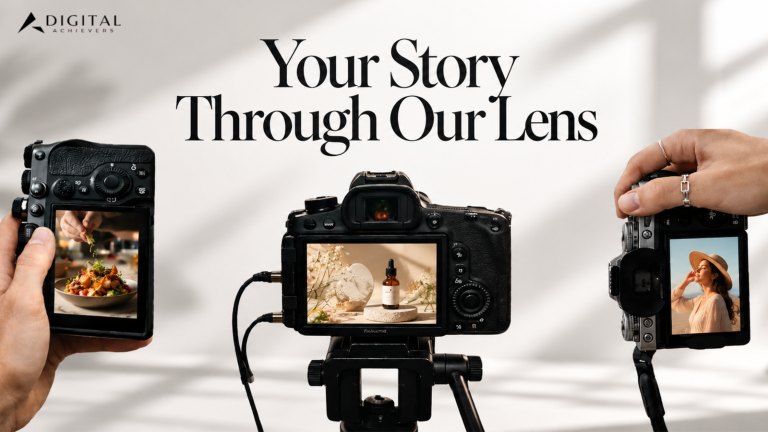
On an ecommerce page, a customer cannot pick up an item, turn it over or check its texture under different light. Photographs have to answer some of those questions. A strong product image shows the item clearly; a useful set of images also explains scale, detail, colour, packaging and how the product is used. The aim is to help someone make an informed purchase, not simply to make a catalogue look attractive.
Product photography services in Jaipur can support brands selling jewellery, clothing, home goods, food, beauty products and many other items. Each category has its own visual challenges. Jewellery needs careful attention to reflections and fine details. Clothing needs consistent fit and colour. Home goods often need a sense of size within a room. This guide helps ecommerce teams prepare a brief, evaluate a photographer and turn a shoot into images they can actually use.
Decide Where Your Ecommerce Product Images Will Appear
Start with the channels that matter to your business. Your website may need a clean main image for each product, detail views and lifestyle images. A marketplace may have its own rules for the first image, background, crop and file format. Social posts and ads may need different framing, leaving space for text or showing the item in use. These are related needs, but one photograph may not serve every placement well.
Identify Image Requirements for Each Platform
List the places where each image will be published before the shoot. Check the latest specifications for those platforms and share them with the photographer. If your team sells through a store, a marketplace and Instagram, discuss whether you need separate exports for each. Cropping a tightly framed product photo into a vertical story later can cut off the item or leave no space for the message.
Match Product Images to Customer Needs
Think about the customer’s questions at each touchpoint. A collection page needs an image that makes products easy to compare. A product detail page can show texture, controls, stitching or packaging. An ad may need a stronger visual hook. This channel map turns “we need photos” into a clear production brief.
Build a Product Photography Shot List Around Buying Questions
For each product or product family, write down what a buyer needs to see. A useful basic set might include a clear front view, an alternate angle, a close-up of important details, an image that shows scale and a scene that explains use. Not every item needs all of these. A simple refill bottle and a detailed handmade necklace require different evidence.
Show Important Product Features and Details
Decide which features should appear in close-up rather than relying on a caption. If a bag has several compartments, show the inside. If a furniture item folds, show both states. If a garment has a distinctive weave, include a texture image. Images should support accurate product descriptions, not disguise limitations or create a misleading impression of size.
Organise Products and Variations Before the Shoot
Group similar products to make the shoot efficient. Photographing a complete colour range under the same lighting makes comparisons easier. Note which products need a model, a stand, a prop or special handling. Give every item a clear identifier so the photographer can match images to the correct SKU or variant after editing.
Set a Consistent Visual Standard for Product Photography
Consistency helps shoppers compare items and helps the store look organised. Agree on framing, background, camera angle and the amount of space around the item. If the main images show one product centred against a simple background, apply that approach across the collection unless there is a good reason to change it.
Maintain Accurate Product Colours
Colour accuracy matters when customers choose between shades. Lighting, camera settings, editing and the screen on which an image is viewed can all affect appearance. Ask the photographer how colour will be checked, and provide an accurate sample or swatch where possible. A bright, heavily filtered image may look exciting but can create disappointment if the delivered product appears different.
Decide on Retouching and Image Editing Standards
The same care applies to retouching. Removing dust or a temporary crease can make the photo clearer. Changing the product’s shape, finish or important detail can misrepresent it. Agree on what edits are acceptable and who approves a sample image before the full set is processed. A simple visual style guide can save many rounds of corrections later.
Prepare Products, People and Locations for the Photoshoot
Preparation often has as much effect on the finished images as the camera. Clean and inspect products, remove unwanted labels, steam garments where appropriate and check that each item has the correct accessories. Keep a spare item if a sample is fragile or likely to be handled repeatedly. Make a packing list so a missing variant does not interrupt the shoot.
Choose Props and Styling That Suit Your Products
For lifestyle images, decide what the setting should communicate. A Jaipur homeware brand might want a warm room scene; a skincare brand may need a clean surface and room for an ingredient story. Props should help a customer understand the product rather than compete with it. If people appear in the images, agree on casting, styling, release permissions and who will direct the scene.
Choose Between Studio and On-Location Product Photography
Ask where the work will happen. A studio can provide repeatable lighting and controlled backgrounds. An on-location shoot can show context and scale but may need more coordination around space, weather, power and access. The best choice follows the brief. Do not assume that an outdoor setting is always more “authentic” or that a studio image is always better for sales.
How to Choose Product Photography Services in Jaipur
When comparing product photographers in Jaipur, look beyond a few striking portfolio images. Ask to see a complete product set for a category similar to yours. Can the team keep several items visually consistent? Are reflective or transparent materials handled clearly? Are details sharp enough to help a buyer? Does the work fit the tone of the brand?
Review the Photographer’s Portfolio and Experience
Look for examples that match your product category and visual requirements. A photographer who specialises in clothing may approach jewellery or reflective packaging differently. Review complete image sets to assess consistency, clarity and attention to detail rather than judging the service by one impressive photograph.
Understand the Photoshoot and Approval Process
Discuss how the photographer manages the production. Who prepares the shot list, sets up styling, approves a test frame and tracks which items have been covered? Who handles retouching? A small brand may need a photographer who can guide the process from brief to delivery. A larger catalogue team may already have its own art direction and only need reliable execution.
Also ask how feedback is handled. A sample or contact sheet during the shoot lets your team catch missing angles and styling problems while the products and set are still available. Agree on the person who can approve images for your business; conflicting feedback from several people late in the process can slow the work and blur the visual direction.
Confirm Product Photography Deliverables and Usage Rights
A quote should say what will be delivered: the number and type of final images, background treatments, retouching level, file formats, crop variations and delivery method. Clarify whether source files are included. If you need both high-resolution masters and web-ready versions, put that in the brief. Ask how files will be named so your store team can match them to products without opening every image.
Specify Image Formats, Resolution and File Delivery
Confirm the required file formats, image dimensions, resolution and naming conventions before the shoot. If the same product images will appear on a website, marketplace and social media, discuss whether separate crops or exports are needed for each placement.
Clarify Commercial Usage and Image Licensing
Usage rights matter as much as image count. Confirm where your business may use the photographs: its website, marketplaces, social media, paid ads, print packaging or retailer materials. If models, rented props or third-party locations are involved, ask whether their permissions cover the same uses. Keep the agreement where your marketing team can find it when a new campaign begins.
Review and Approve the Final Images
Before approving the final delivery, check a sample of images at the size in which customers will see them. Confirm that colours, crops and details are consistent, and that each SKU has the agreed views. Test a few exports in your store theme or marketplace draft. This catches a common problem: a technically good photograph that does not fit the actual page layout.
Use Product Photography Across the Ecommerce Customer Journey
Once the shoot is complete, place images where they answer a question. Put the clearest item view first, then show alternate angles, scale and details. Use short, descriptive image text for accessibility where your platform supports it. Do not rely on a photograph to communicate every specification; pair it with accurate product copy.
Optimise Product Images for Ecommerce and Accessibility
Use clear, descriptive alt text where your platform supports it. Keep the product visible, select suitable image dimensions and ensure that important details remain clear on mobile screens. Pair visuals with accurate product descriptions so shoppers can understand the item before purchasing.
Repurpose Product Photos for Social Media and Advertising
Good visuals can also improve the work of a marketing team. A social post might use a lifestyle image to introduce a collection, while a product page uses the clean catalogue view to help the buyer inspect the item. An ad can test a detail shot against an in-use scene. Keep a simple asset library with product IDs and approved crops so future campaigns do not recreate or misuse images.
Measure Image Performance Through Customer Feedback
Judge the images by how well they support customer understanding, not by a promise that a particular shoot will guarantee higher sales. Watch for recurring questions in messages, returns linked to mismatched expectations and pages where customers struggle to choose a variant. These signals can guide the next shoot.
Prepare a Product Photography Brief for Your Business
Before requesting product photography services in Jaipur, prepare a product list, examples of the look you want, channel specifications, required views and a realistic approval process. Ask prospective teams to explain their approach to styling, colour, retouching, file delivery and usage rights. A detailed brief makes proposals easier to compare and the final images more useful.
The Digital Achievers works across digital marketing and website development, where product visuals have a practical role. If your ecommerce imagery needs to fit a wider online plan, share your store and visual brief with The Digital Achievers. The conversation can begin with the products, customer questions and placements that matter most to your brand.